
Bolingbrook Directory Collections By Era
Bolingbrook city directories begin with suburban telephone evidence rather than a verified nineteenth-century local Polk run. The Village formed in 1965 after major tract growth from 1961 to 1965. Earlier names belong in Will and DuPage county materials, Joliet volumes, census schedules, and archival series.
| Collection | Years | Where Held | Access |
|---|---|---|---|
| Illinois Bell suburban white pages | February 1973 inspected | Library of Congress | Free scan and OCR |
| Bolingbrook phone books | 1977-current reported; verify run | Fountaindale Public Library | Reference inquiry and shelf use |
| Bolingbrook maps | 1973-77, 1986, 1993, 1995 | Fountaindale | Local collection |
| Will County directories | 1859-60 and 1872-73 | Joliet Public Library | Local History Room |
| Joliet directories and phone books | Directories 1875-present; phones 1908+ | Joliet Public Library | Research room; verify individual year |
| DuPage Township school ledgers | Mid-1870s-1920s | Fountaindale digitization project | Digitized items and indexes online |
| County archive series | Will from 1836; DuPage from 1839 | IRAD at NIU | Catalog, mail, or phone request |
Missing years should remain gaps. No official page confirmed a full local Polk series or exact reverse-directory run. Ask the holding library about the exact volume before promising that a year exists.
Why Bolingbrook Directories Start Late
Bolingbrook's directory story follows suburban growth. Westbury, Colonial Village, and King's Park tracts sold from 1961 through 1965, and the Village incorporated in 1965. The first homes on Rocklyn Court and Avondale Court mark the shift from rural county land records toward a modern named community.
A nineteenth-century search must move outside a Bolingbrook city directory. Will County organized in 1836 and DuPage in 1839, so deeds, probate, taxes, marriages, poll books, and court material predate the Village by more than a century. The county seat is Joliet for Will and Wheaton for DuPage. IRAD at NIU preserves many older official series.
This three-era pattern is practical: county books before subdivision, 1960s and 1970s plats and phone pages, then modern parcel and recorder systems. No courthouse fire was found to explain gaps. Jurisdiction, unindexed books, privacy, and publication limits are more likely causes.
Fountaindale's Bolingbrook History Shelf
Fountaindale Public Library local history is the closest source for a Bolingbrook-focused collection. Its reported holdings include phone books from 1977 forward, historic maps and aerials, local-history posts, and digitized DuPage Township school ledgers. Exact shelf years and reverse sections should be confirmed with staff.
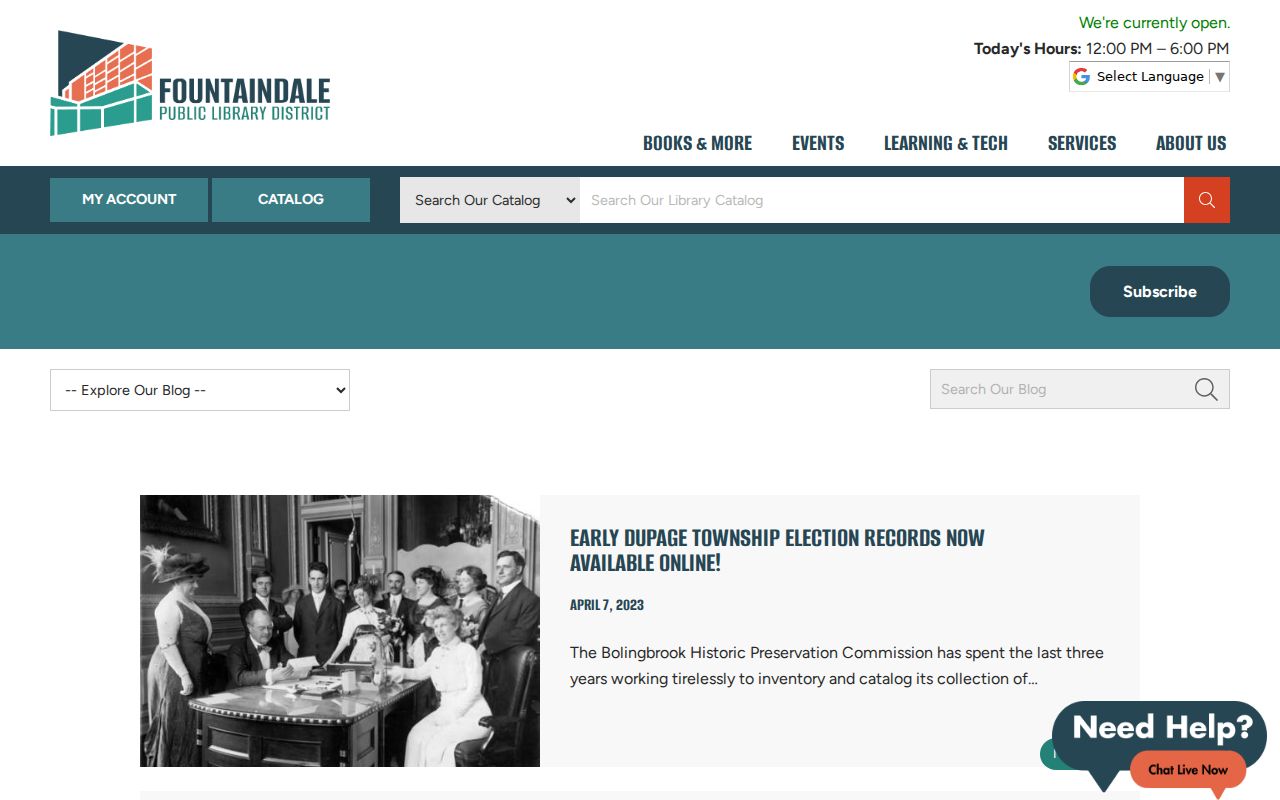
The local-history route joins recent suburban materials to older township school records. That reach is valuable when a family appears before Bolingbrook was a municipality.
The school report books and ledgers span the mid-1870s through the 1920s and can identify students, teachers, schools, and dates. Northern Will County Genealogical Society items are also reported through the digitization partnership, though the exact public catalog requires a reference inquiry.
Read a Bolingbrook Directory Entry
The strongest inspected entry is the February 1973 Illinois Bell white-pages scan. It is alphabetical and supplies a subscriber name or initials, street address, the locality abbreviation “Bolngbrk,” and a telephone number. Inspected OCR included Abernathy Bruce J, Ablin Lester K, Abraham D, and Adair Warren W.
| Name or initials | The listed subscriber, not necessarily every adult or family member. |
|---|---|
| Street address | The address printed for that subscriber at publication time. |
| Locality | “Bolngbrk,” an exact-search variant worth preserving. |
| Telephone | The listed service number; unlisted subscribers are absent. |
| Publication date | February 1973, essential for comparing the entry with another source. |
A missing listing can mean an unlisted number, no telephone subscription, a different exchange, a move, or OCR failure. It does not prove the person was absent from Bolingbrook.
- Criss-cross directory
- A street- or phone-ordered section used to reverse a known address or number.
- Householder index
- An address-based listing that may identify the principal listed person at a home.
- Abbreviation key
- The volume's own guide to shortened localities, streets, occupations, and entry marks.
Joliet Extends Bolingbrook Directory Years
The Joliet Public Library History and Genealogy collection is the major Will County fallback. It documents Will County directories for 1859-60 and 1872-73, Joliet directories from 1875 forward, telephone directories from 1908, newspapers on microfilm from 1846, atlases, plats, yearbooks, funeral brochures from 1968-2012, and obituary indexes for 1915-18 and 1976-2012.
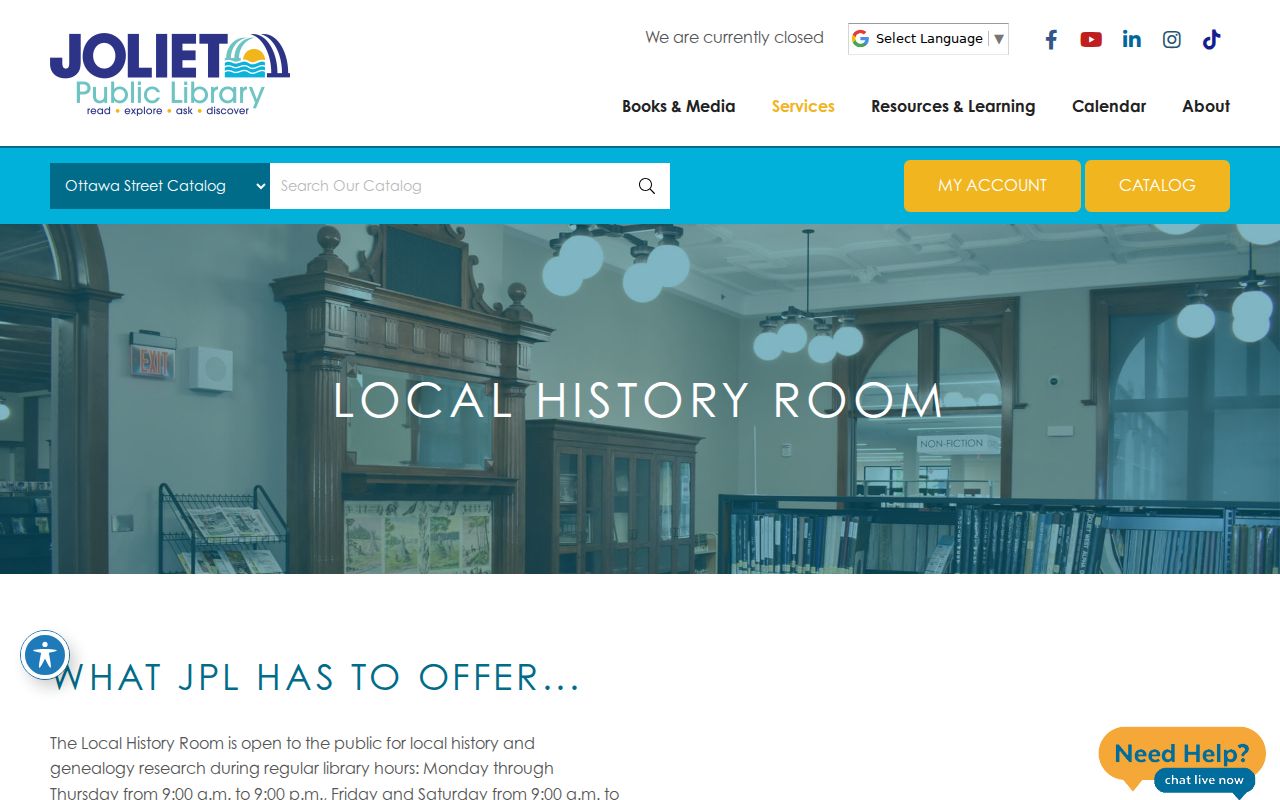
These holdings can follow someone who lived or worked in Joliet before moving to a Bolingbrook subdivision, or connect a directory name to an obituary, newspaper notice, school, or plat.
Librarian appointments are recommended. The published schedule lists Monday through Thursday 9 a.m. to 9 p.m., Friday and Saturday 9 a.m. to 5 p.m., and Sunday 1 to 5 p.m., with seasonal Sunday variation. Licensed databases require the proper in-library session and are not the same as public web access.
Bolingbrook Names In County Archives
The Will County Historical Museum collections include county newspapers, court and church material, obituaries, yearbooks, cemetery books, mortgages, surveys, and photographs. Its Lockport research center reports Thursday hours from 5 to 7 p.m. and no research on Saturdays.
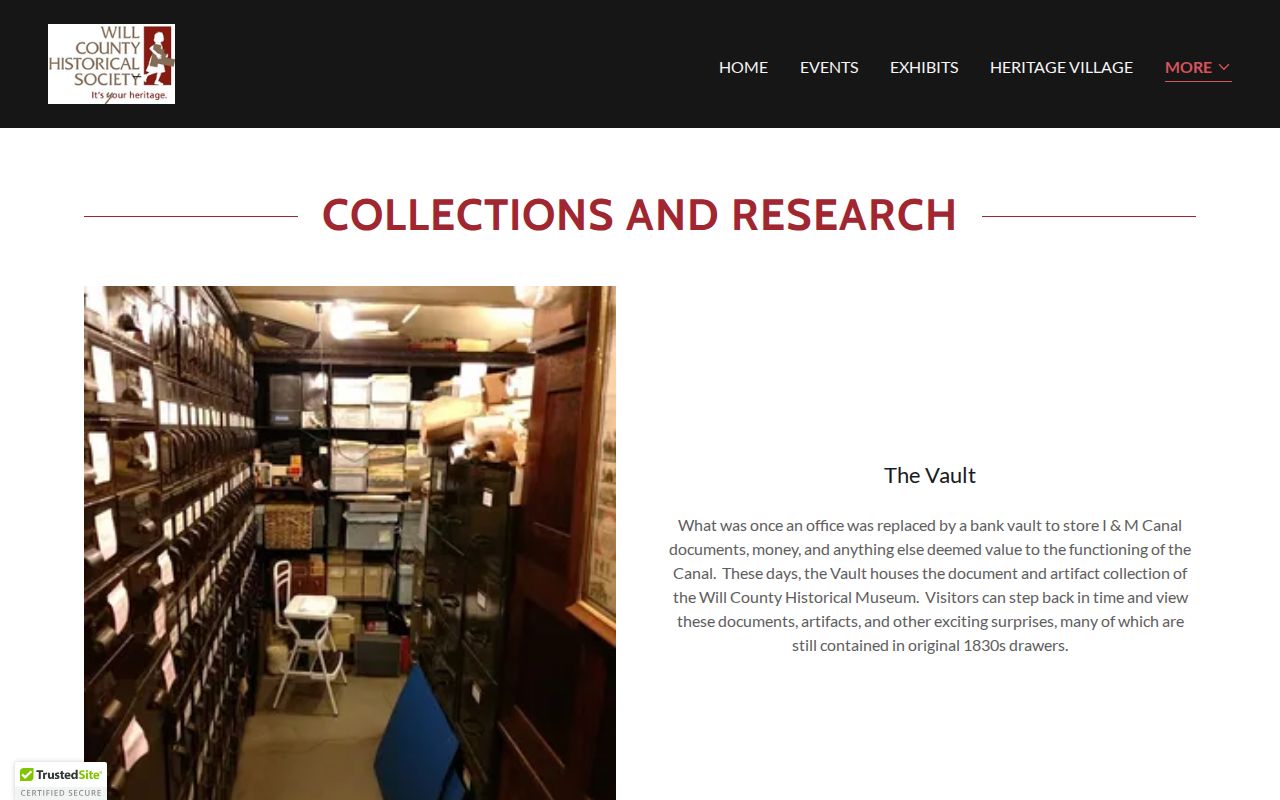
The museum's broad county context can explain a name that appears before the Bolingbrook city directory era or outside a telephone exchange.
For the DuPage side, the DuPage Historical Museum research collection holds city directories, maps, plats, newspapers, photos, personal papers, oral histories, clippings, and 1950s-70s real-estate records.
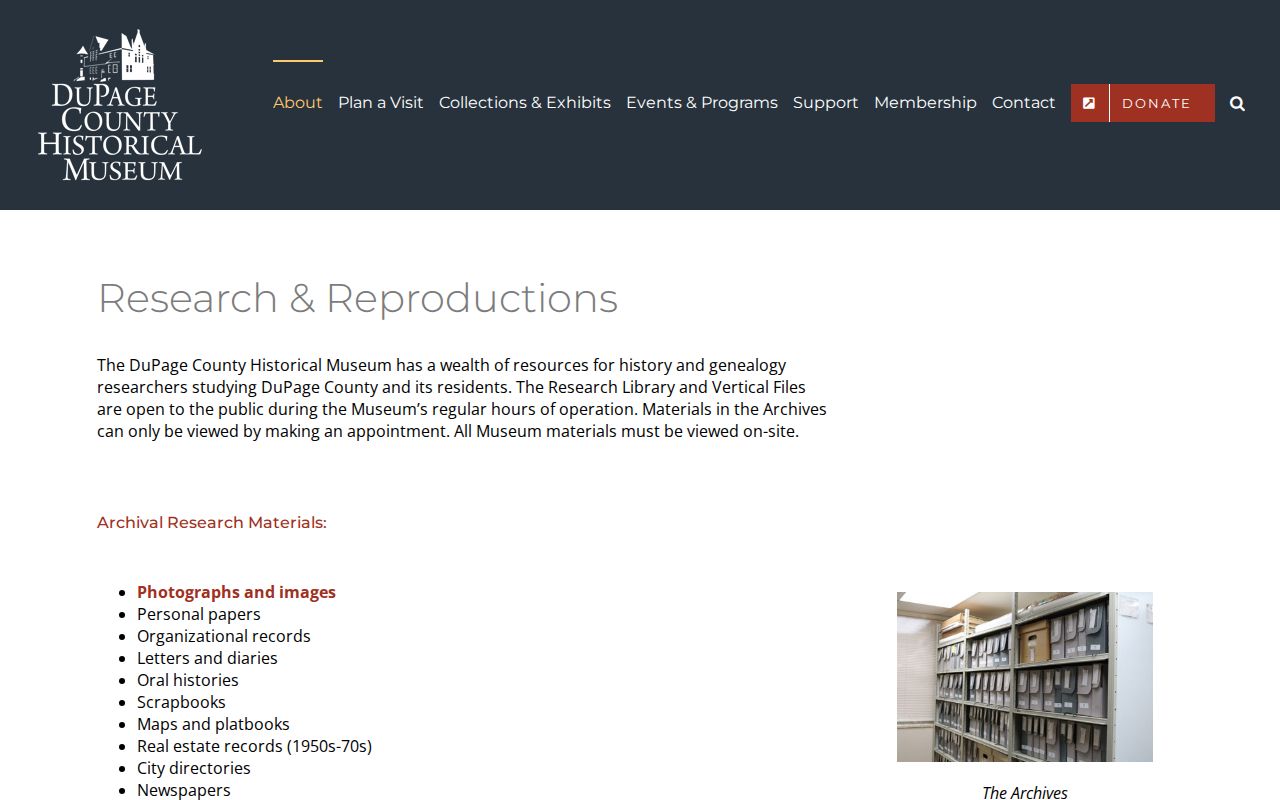
Archive materials require an appointment or on-site work, and no remote public name database was located. Send a narrow surname, address, date range, and record type.
Pair Bolingbrook Directories With Context
A city directory entry becomes more useful beside a dated map, newspaper, obituary, yearbook, deed, or census. Fountaindale maps from 1973-77, 1986, 1993, and 1995 can show when a street or subdivision label appeared. Joliet newspaper microfilm can be searched by tract names such as Westbury, Colonial Village, King's Park, Boughton Road, or Route 53 when a surname search fails.
Obituary indexes may supply relatives and dates. School ledgers can identify pupils and teachers decades before incorporation. A deed contributes party roles and legal land description. Public federal census schedules have a 72-year release rule and may describe the same household through a township or unincorporated label.
Church registers, a complete Bolingbrook obituary index, and a local Sanborn fire-insurance sheet were not verified. Ask libraries and museums about vertical files and unprocessed collections rather than citing a specific unconfirmed online series.
Trace Families Through Bolingbrook Directories
Work from one firm name-address pair and move in small time steps. Preserve initials and spelling variants. A city directory is best used as one dated point, then tested against independent evidence.
- Locate the first likely listing and photograph the title page, date, abbreviation key, and entry.
- Check nearby years for the same name, spouse, street, phone, or occupation. Mark every move or gap.
- Search the address or criss-cross section when present. Never assume every volume has one.
- Pair directory years with released census schedules, maps, deeds, school records, and newspapers.
- Close the trail with an obituary, probate file, cemetery source, marriage record, or later deed when access rules permit.
For a common name, require two anchors, such as address and spouse, or subdivision and deed role. A disappearance may mean a move, death, unlisted number, changed exchange, or publication gap. The Bolingbrook resident lookup can help test a modern identity without turning a historical subscriber clue into a claim of current residence.
Bolingbrook Directory Timeline
The local chronology explains which shelf to search. It also prevents a request for a Bolingbrook volume that predates the Village.
| Year | Directory or Records Milestone |
|---|---|
| 1836 | Will County organized; official county books begin in many series. |
| 1839 | DuPage County organized; older DuPage records route through county and IRAD holdings. |
| 1961-65 | Westbury, Colonial Village, and King's Park development bridges rural records to the new suburb. |
| 1965 | Bolingbrook incorporates; Will's working online deed period generally begins around this era. |
| February 1973 | The inspected Illinois Bell suburban white pages print “Bolngbrk” entries. |
| 1977-current | Fountaindale reports Bolingbrook phone books; exact shelf completeness requires confirmation. |
| 2025-26 | Historic Preservation reports scanning negatives, newspapers, and recorder material with library liaison work. |
Digitization is incremental. An online gap may still be solved at a library desk, museum appointment, county office, or IRAD by mail or phone.
Label Bolingbrook Directory Evidence
A phone subscriber is not proof of ownership or every occupant. An assessor names an owner of record. A recorder names parties to a document. A school ledger names a student or teacher. An obituary records a death and family event. Keep those institutional labels intact.
The same caution applies to OCR. “Bolngbrk,” initials, short street suffixes, and imperfect scans are search variants, not errors to erase. Cite the volume and page, save the printed form, and add a modern place label only in separate notes.
Research tip. Photograph the title page and abbreviation key before saving any Bolingbrook city directory entry, so its date and symbols remain clear.